
Bright Tiles Picture Match
What players say
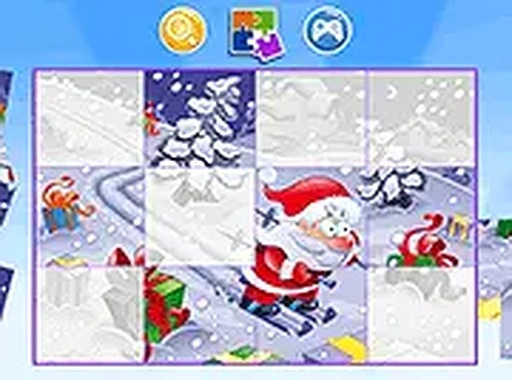
Bright Tiles Picture Match targets young learners with a straightforward tile-arrangement task: place scattered pieces in the right order to rebuild an illustrated scene. Rotating some tiles adds mild spatial reasoning. The lack of timers, scores, and competitive pressure suits quiet play, and the browser-based design removes installation barriers. The main limitation is that the input does not describe puzzle count, image variety, or difficulty beyond a general ramp-up, so depth is hard to judge.
About
How the Tile Puzzles Work
Each puzzle in Bright Tiles Picture Match presents a set of illustrated tiles that have been scattered out of order. The player's job is to examine the pieces and decide where each one belongs so the full image is restored. Some puzzles also require rotating a tile to align it correctly, which adds a light layer of spatial reasoning to the matching task.
Controls stay deliberately simple: tap or click a piece to select it, then drag it to the target spot. Feedback is positive and encouraging, confirming each correct placement without pressure. There is no penalty for trying a piece in the wrong position, so children can experiment freely.
Visual Style and Atmosphere
The artwork uses bright, friendly colors and simple shapes aimed at young audiences. Scenes show everyday objects, animals, and nature themes that are recognizable and non-threatening. The interface is clean and uncluttered, keeping distractions low so attention stays on the puzzle itself. The overall tone is calm and supportive, which makes the game suitable for quiet playtime or as a relaxing activity during travel.
Progression and Challenge
Puzzles start with fewer pieces and straightforward layouts, then gradually introduce more complex arrangements. This gentle ramp-up helps children build confidence before tackling harder challenges. Because there are no timers or scoring systems that create competition, each child can progress at their own comfort level. The variety of images keeps repeat play interesting, since different pictures call for different placement strategies.
Accessibility and Device Support
The game runs directly in a web browser without any installation or account creation. It works on both touchscreen devices and computers with a mouse, adapting to the input method automatically. A full-screen mode is available to minimize outside distractions. The straightforward tap-or-click and drag interaction makes the game accessible even for very young children who are still developing fine motor skills.
Compatibility
FAQ
Comments
Sign in to comment
You must be logged in before posting a review or rating.
No comments yet. Be the first to comment!





Editorial Notes