
Runic Block Puzzle
What players say
Runic Block Puzzle stands out from typical tap-to-clear games because it penalizes small moves instead of rewarding every tap. That single design choice turns a simple grid into a planning exercise: you scan for clusters, weigh group size against point loss, and restart levels when a target proves unreachable. The tap controls keep it accessible, and the endless level structure supports both short sessions and longer play. The main limitation is that the input describes only the core loop; players looking for varied modes or story content may find the scope narrow.
About
Grid Clearing and the Scoring Twist
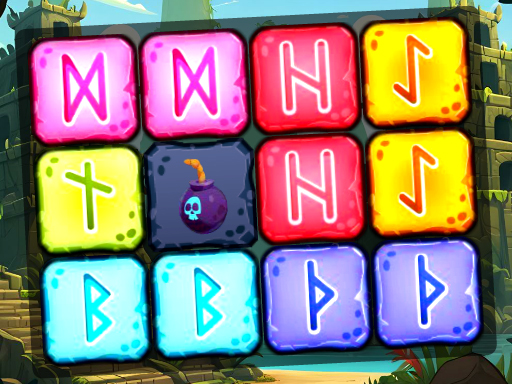
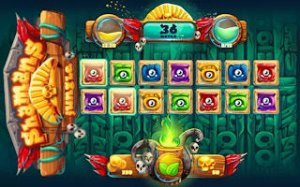
Runic Block Puzzle is built around a simple action: tap any block on the grid. That tap clears all connected blocks of the same color in a chain reaction. The twist is in the scoring. Removing a single block subtracts points, so isolated taps work against you. Clearing a group of two or more same-colored blocks adds points, and larger groups award more points per block. That single rule changes how you read the board. Every tap is a small risk calculation: is this group big enough to be worth it?
How Levels and Targets Work
Each level presents a new grid and a target score shown at the top of the screen. Your goal is to reach that score to advance. If you fall short, you can restart the level and try a different approach. Because the target is visible from the start, you can plan around it rather than clearing blocks blindly. The game does not rush you; you can study the grid before committing to a tap.
Planning Moves That Pay Off
The most useful habit is scanning for large clusters of one color before tapping anything. A group of two earns points, but a group of five or six shifts the math considerably. Tapping single blocks is almost never the right move unless it sets up a bigger group later. Restarting a level is not a penalty; it is a chance to apply a different clearing order. Patience and observation matter more than speed.
Who This Suits
The tap controls make it easy to start, and there are no timers or complex inputs described. That makes it suitable for short sessions, but the scoring system rewards players who think several moves ahead. If you enjoy puzzles where the penalty for a careless move is immediate and visible, this fits. If you prefer fast reflex-based arcade games, the slower planning pace may feel different from what you expect.
Compatibility
FAQ
Comments
Sign in to comment
You must be logged in before posting a review or rating.
No comments yet. Be the first to comment!





Editorial Notes