
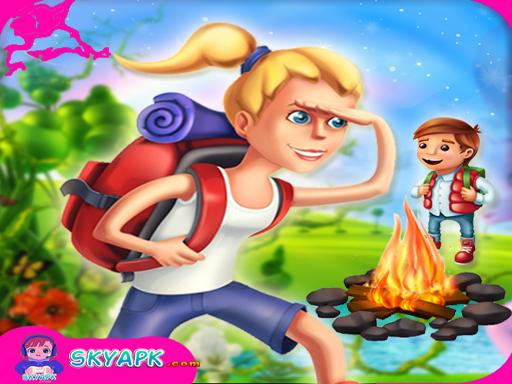
Family Picnic Adventure Simulation
What players say
Family Picnic Adventure Simulation is best understood as a casual, step-by-step game for children and families. Its strengths lie in the clear task structure: pack supplies, travel, set up camp, help the penguin, and complete side activities like cooking and snowman building. The game does not rush you, and the intuitive controls make it approachable for all skill levels. The main limitation is that the input does not describe any multiplayer or advanced customization, so it is likely a solo, relaxed experience rather than a competitive one.
About
Trip Preparation and Travel
Every playthrough starts with a familiar routine: choose a level, then collect the items your family needs for a snowy picnic. You gather care supplies before leaving, which means the early phase is about planning rather than rushing. Once packed, you travel to the destination and set up a tent. The game treats these steps as dependent tasks, so skipping ahead usually means backtracking. The preparation phase sets the tone for the rest of the level, rewarding players who check objectives before departing.
Helping the Injured Penguin
The central story thread involves an injured penguin you encounter at the snowy campsite. After setting up the tent, you assess what the penguin needs and use the supplies you packed earlier. This rescue sequence ties directly into the preparation phase, since the items you collected determine how smoothly you can help. The penguin is not a background detail; its care is one of the main objectives that drives each level's structure.
Creative Camp Activities
Between rescue tasks, you build a snowman and cook simple meals. Both activities use the same tap-and-swipe control scheme as the rest of the game, but they demand more precise timing. Cooking, for example, requires you to follow a short sequence of steps, and rushing can lead to poor results. Snowman building is more open-ended, letting you assemble the parts in a relaxed way. These activities break up the task management and give younger players something hands-on to enjoy.
Level Structure and Pacing
Each level introduces new objectives that build on the previous ones, so the complexity increases gradually. You might start with a simple pack-and-travel routine, then face a level where the penguin needs multiple items or the cooking steps are longer. Because tasks depend on one another, logical thinking matters more than reflexes. The game is designed for children and families, and the pace stays deliberately slow, making it easy to stop and resume without losing progress.
Compatibility
FAQ
Comments
Sign in to comment
You must be logged in before posting a review or rating.
No comments yet. Be the first to comment!








Editorial Notes