
Memory Match Puzzle
What players say
Memory Match Puzzle keeps its scope narrow: flip cards, find pairs, beat the timer. The gradual addition of cards gives the difficulty a natural shape, and the lack of complicated rules makes it easy to start. It suits players who want a light mental workout rather than a stressful challenge. The main limitation is that the formula stays consistent throughout, so variety comes from grid size and score chasing.
About
Matching Under a Countdown
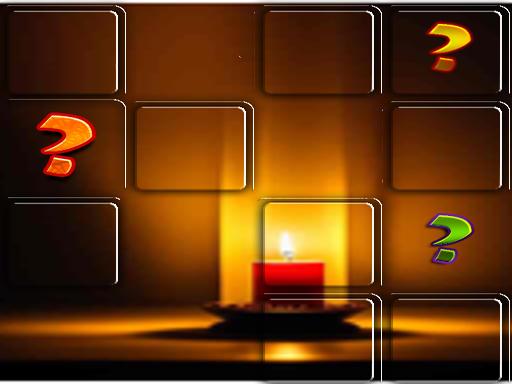
Memory Match Puzzle is built around a single loop: reveal one card, then reveal a second. If the images match, both stay face up and you earn points. If they do not, both flip back and you continue searching. A timer runs throughout, so every failed pair costs both time and momentum. The goal is to clear all pairs before the clock reaches zero and to finish with the highest score possible. [IMG_1]
How the Grid Expands
The game begins with a small grid, which keeps early rounds quick and forgiving. As you advance, more cards are added, increasing the number of possible pairs and the amount of information you must hold in memory. That gradual growth is the main difficulty curve. A larger grid means more positions to track, more mismatches to absorb, and less room for careless flips. [IMG_2]
What Makes It Approachable
There are no complicated rules to learn. Controls are simple: select a card, then select another. Colorful images make individual cards easy to distinguish, which supports recall without visual strain. Because the mechanic is familiar, beginners can start immediately, while experienced players can push for faster clears and higher scores. The timer adds pressure, but the underlying task remains calm and methodical. [IMG_3]
Playing With Purpose
Improvement comes from paying attention to positions even when a flip does not produce a match. Those failed attempts still reveal information. Rushing tends to produce avoidable mistakes, especially once the grid grows. A consistent flip pattern can help you organize your search, and staying composed under the timer leads to better decisions. Regular practice sharpens both recall and speed.
✅ Compatibility & Testing
FAQ
Comments
Sign in to comment
You must be logged in before posting a review or rating.
No comments yet. Be the first to comment!







Editorial Notes