
Space Number Match Puzzle
What players say
Space Number Match Puzzle delivers exactly what its name suggests: a grid of numbers, a space backdrop, and a simple rule about connecting three or more identical digits. The absence of timers or move limits makes it genuinely relaxing rather than falsely advertised as such. Its strength is accessibility—anyone who can recognize numbers can play. The trade-off is a lack of escalating difficulty or varied modes, so players who need mounting pressure may lose interest. For a low-stakes brain teaser, it works.
About
What You Actually Do
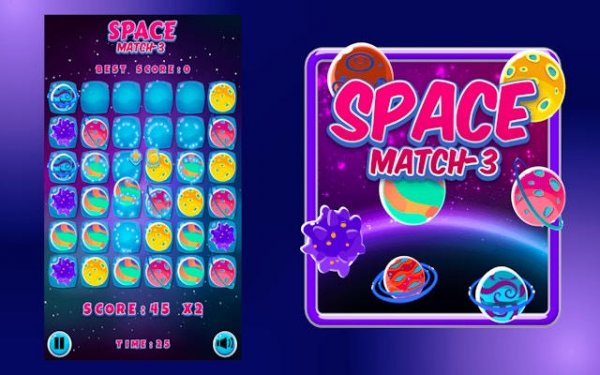
The screen shows a grid packed with numbers. Your job is to find clusters of three or more identical digits sitting next to each other either side-by-side or stacked. Click or tap those tiles, and they disappear. Fresh numbers drop into the empty spaces, which can create new clusters. Every match adds to your score, and the bigger the group, the more points you get. There is no timer, no move limit, and no penalty for pausing to think. The grid keeps refilling, so a session can last as long as you want.
Why the Space Theme Matters
The colorful space backdrop and calm soundtrack are not just decoration. They set a pace that matches the puzzle's low-pressure design. Bright, distinct number tiles stand out against the dark background, which makes scanning for matches easier on the eyes. The music stays in the background rather than pushing urgency. For players who find timed puzzle games stressful, this combination of visuals and audio supports a slower, more deliberate approach.
Planning Bigger Matches
Because there is no time pressure, the real challenge is foresight. A group of four or five numbers scores more than two separate groups of three, but grabbing the first match you see can break up a larger cluster. Looking one or two moves ahead helps you set up chain reactions where one match causes falling tiles to form another match automatically. The game rewards patience over speed.
Who This Suits
Anyone who enjoys number puzzles without a clock fits here. Kids can learn to spot patterns, adults can use it as a low-stakes mental break, and older players can play at their own pace. The rules take seconds to understand, but the scoring system gives you a reason to keep refining your strategy. If you prefer puzzles that test reflexes, this one will feel too slow. If you want a calm brain teaser, it works well.
✅ Compatibility & Testing
FAQ
Comments
Sign in to comment
You must be logged in before posting a review or rating.
No comments yet. Be the first to comment!



Editorial Notes