
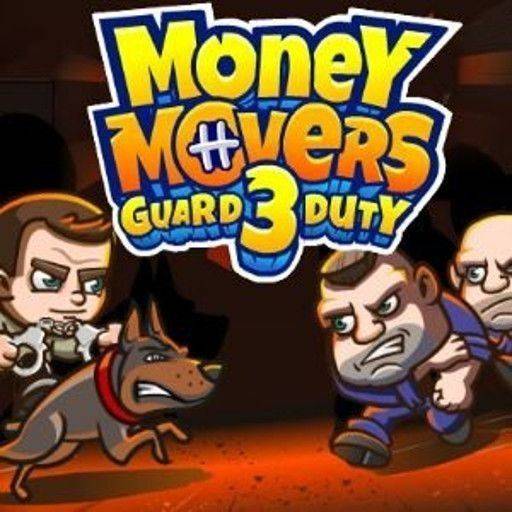
Smart Paws 3: Cooperative Puzzles
Developer: Speed Wanderer Games
Published: 2026-09-30
Updated: 2026-09-30
What players say
Smart Paws 3: Cooperative Puzzles delivers a focused dual-control experience. The guard-and-dog dynamic forces players to think ahead and coordinate actions, making each solved puzzle feel earned. The gradual difficulty curve and family-friendly design welcome newcomers, while the absence of time pressure or competitive elements keeps the tone relaxed. It suits players who enjoy logic puzzles and cooperative problem-solving, though those seeking fast-paced action may find the pace too slow.
About
Two Characters, One Goal
Smart Paws 3: Cooperative Puzzles asks players to manage a guard and a dog simultaneously. The guard handles heavy tasks like shifting obstacles and operating mechanisms. The dog slips into tight spaces to reach hidden levers or collect keys. Players alternate between them, timing actions so one character's progress supports the other. This dual-control setup makes planning and coordination more important than speed.Puzzle Structure and Difficulty
Each stage introduces a new arrangement of barriers, switches, and pathways. Early levels teach basic interactions, such as having the dog fetch an item while the guard holds a door open. Later puzzles combine multiple steps, requiring players to remember each character's position and plan several moves ahead. The difficulty ramps up gradually, so newcomers can build confidence before facing more complex layouts.Controls and Visual Clarity
Controls are straightforward: arrow keys for the guard, WASD for the dog, and the spacebar to switch between them. This simplicity lets players concentrate on strategy rather than complex button combinations. The graphics use bright, clear colors that make important objects stand out. Characters are drawn with friendly expressions, and the environments avoid clutter so players can focus on the puzzle at hand.Progression and Replay
Completing a level unlocks the next, with no branching paths or hidden requirements. Each stage has a single clear objective, such as reaching an exit or collecting all items. Because puzzles rely on logic rather than random elements, players can revisit earlier stages to improve their approach or simply enjoy the flow. The consistent structure makes it easy to pick up for short sessions.Family-Friendly Cooperative Design
The game avoids any content that might worry parents. There are no frightening scenes, no references to weapons, and no competitive pressure. The focus stays on cooperative problem-solving, which encourages communication if played with a partner. Hints are available for those who feel stuck, but they never give away the full solution, preserving the sense of accomplishment when a puzzle clicks.Compatibility
Play on Any Device | Chrome / Safari / Edge Recommended
FAQ
Can two players control the characters separately in Smart Paws 3: Cooperative Puzzles?
The game is designed for a single player to control both characters, switching between them with the spacebar. However, the cooperative focus means a second person can easily join in to suggest moves or take turns, making it a natural fit for shared problem-solving.
Are there any time limits or pressure elements in Smart Paws 3: Cooperative Puzzles?
No, the game does not include time limits or competitive pressure. Puzzles rely on logic and coordination, so players can take as long as needed to plan each move. This makes it suitable for players who prefer a relaxed, thoughtful pace.
What happens if I get stuck on a puzzle in Smart Paws 3: Cooperative Puzzles?
A hint system is available for players who feel stuck. Hints provide guidance without revealing the full solution, so you still get the satisfaction of completing the puzzle yourself. The gradual difficulty curve also means earlier levels prepare you for later challenges.
Is Smart Paws 3: Cooperative Puzzles suitable for young children?
Yes, the game is family-friendly. It has no frightening scenes, no weapons, and no competitive elements. The bright visuals and simple controls make it accessible for younger players, while the logic puzzles offer enough depth to keep older players engaged.
How many levels does Smart Paws 3: Cooperative Puzzles have?
The exact number of levels is not specified in the available information. The game features a series of stages with gradually increasing complexity, each introducing new arrangements of barriers, switches, and pathways. Completing one level unlocks the next in a linear progression.
Can I replay levels in Smart Paws 3: Cooperative Puzzles?
Yes, you can revisit earlier stages. Because puzzles are logic-based with no random elements, replaying allows you to improve your approach or simply enjoy the flow. There are no branching paths or hidden requirements, so the structure remains consistent.
Comments
Sign in to comment
You must be logged in before posting a review or rating.
No comments yet. Be the first to comment!









Editorial Notes