
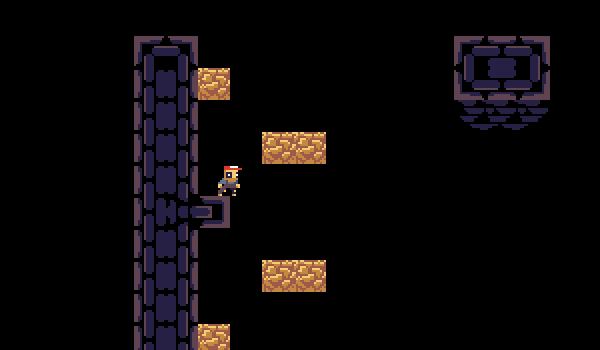
Ascend the Shaft Logic Platformer
What players say
Ascend the Shaft Logic Platformer succeeds by focusing on a single, well-executed concept. The vertical design forces players to think differently about platforming, emphasizing careful observation over speed. Controls are tight and responsive, making each successful jump feel earned. The difficulty curve is well-paced, with new obstacles introduced gradually. Power-ups add a welcome layer of strategy without overwhelming the core gameplay. The cheerful visuals and lack of time pressure make it a relaxing yet engaging experience. For fans of puzzle-platformers, this is a worthwhile play.
About
Core Concept & Vertical Design
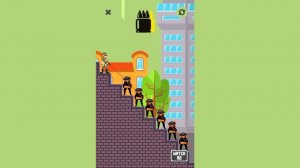
Ascend the Shaft Logic Platformer places players in control of a character trapped at the bottom of a deep vertical shaft. The primary objective is straightforward: climb upward by navigating a series of platforms, gaps, and obstacles. Unlike traditional side-scrolling platformers, the vertical layout changes the way players think about movement. Instead of running forward, the focus shifts to upward progression, requiring careful observation of what lies above. The shaft itself becomes a character in the game, with each section introducing new patterns and arrangements that test a player's ability to plan several moves ahead.
Controls & Movement Precision
Players interact with the game using simple directional inputs, typically arrow keys or on-screen buttons, to move left and right. Jumping is the primary action, used to clear gaps and reach higher ledges. Climbing mechanics allow the character to grab onto edges and pull upward, adding a layer of physical coordination. The controls are designed to be responsive, so every input translates directly into on-screen action. This precision is essential because many obstacles require exact timing. A jump that is too early or too late can send the character back down, forcing a restart of the current section. The learning curve is gentle, but mastery comes from repeated practice.
Obstacle Patterns & Progression
As players ascend, they encounter a variety of obstacle configurations. Early sections feature simple gaps and low ledges, teaching the basic jump and climb mechanics. Later sections introduce moving platforms, crumbling edges, and narrow passages that demand tighter timing. The difficulty increases gradually, ensuring that players build skills before facing tougher challenges. Each new section feels distinct, with obstacles arranged in ways that require fresh strategies. The game avoids repetitive patterns by varying the spacing and height of platforms, keeping the experience engaging. Power-ups occasionally appear, granting temporary benefits like a higher jump or a brief speed boost, which can help overcome particularly tricky sections.
Visual Style & Family-Friendly Appeal
The game presents a bright, colorful visual style that is appealing to all ages. Characters and environments are designed with a cheerful aesthetic, avoiding any dark or intense themes. This makes the game suitable for younger players, while the underlying puzzle elements keep older players engaged. The background changes subtly as the character climbs higher, giving a sense of progress without distracting from the gameplay. Sound effects are minimal but effective, providing audio cues for jumps, landings, and power-up collection. The overall presentation is clean and focused, letting the gameplay take center stage.
Session Flexibility & Replay Value
Ascend the Shaft Logic Platformer is designed for both short bursts of play and longer sessions. Each section can be completed in a few minutes, making it easy to pick up and put down. For players seeking a deeper challenge, replaying earlier sections to achieve faster times or find alternative routes adds longevity. The game does not include a timer, so players can take their time to plan each move. This relaxed approach reduces frustration and encourages thoughtful problem-solving. The combination of quick sessions and optional mastery makes the game suitable for different schedules and play styles.




Comments
Sign in to comment
You must be logged in before posting a review or rating.
No account? Create one
No comments yet. Be the first to comment!